Sitecore vs WordPress is no longer a generic “enterprise vs SMB” debate. For teams still on Sitecore XP or XM, the live question is usually: do we replatform to XM Cloud (SitecoreAI), stay on Managed Cloud with XP, or leave Sitecore for WordPress?
This article frames that decision with Sitecore’s own public guidance, then explains when a Sitecore to WordPress migration is the better replatform.
What “Sitecore vs WordPress” means in 2026
Sitecore XP grew as a monolithic DXP: content, personalization and marketing tools in one stack. WordPress grew as an open-source CMS with a huge plugin and agency ecosystem.
That contrast still matters — but the trigger for most reviews today is platform change cost, not a feature checklist:
- XP renewals and specialist scarcity
- Pressure to move toward Sitecore’s SaaS CMS direction
- Marketing teams wanting faster publishing without a release train
XM Cloud is a replatform, not an upgrade
Sitecore’s developer documentation treats the move from XM/XP to XM Cloud (now described under SitecoreAI CMS) as a move to a composable, headless architecture — not an in-place version bump of an MVC XP site.
Practical implications Sitecore calls out in its migration materials:
- MVC solutions generally need conversion toward headless patterns (commonly JSS + Experience Edge, often with Next.js).
- Personalization rules and xDB data do not lift-and-shift; personalization has to be rebuilt on the target platform.
- If you only want to host XP “as it is” in the cloud, Sitecore points to Managed Cloud, not XM Cloud / SitecoreAI.
So when someone asks “should we upgrade to XM Cloud?”, the accurate answer is: you are planning a replatform project either way — inside Sitecore’s SaaS CMS, or onto another CMS such as WordPress.
Sources: Sitecore Developer Portal — Transition from XM/XP to SitecoreAI and XM Cloud migration FAQ.
When WordPress is the stronger Sitecore alternative
WordPress tends to win the Sitecore vs WordPress comparison when:
- You want to leave Sitecore product licensing for the CMS layer
- Editorial teams need to ship pages without DXP release overhead
- You can hire or contract WordPress capacity more easily than Sitecore XP specialists
- Personalization and marketing automation can move to best-of-breed tools beside the CMS
- Multi-brand or multi-location sites need shared governance without a full DXP
WordPress is a weaker fit when you depend on Sitecore-native marketing automation deeply embedded in XP and you have already budgeted a SitecoreAI rebuild with the right partner.
We do not invent Sitecore list prices here. Licence bands are contract-specific; compare total cost of ownership with your renewal quote and a scoped WordPress build estimate.
Multi-brand and multi-location groups
Many Sitecore estates grew brand-by-brand. On WordPress, the same groups often want:
- one design system and shared components
- local or brand-level pages that still rank
- clear ownership when a franchisee or brand leaves
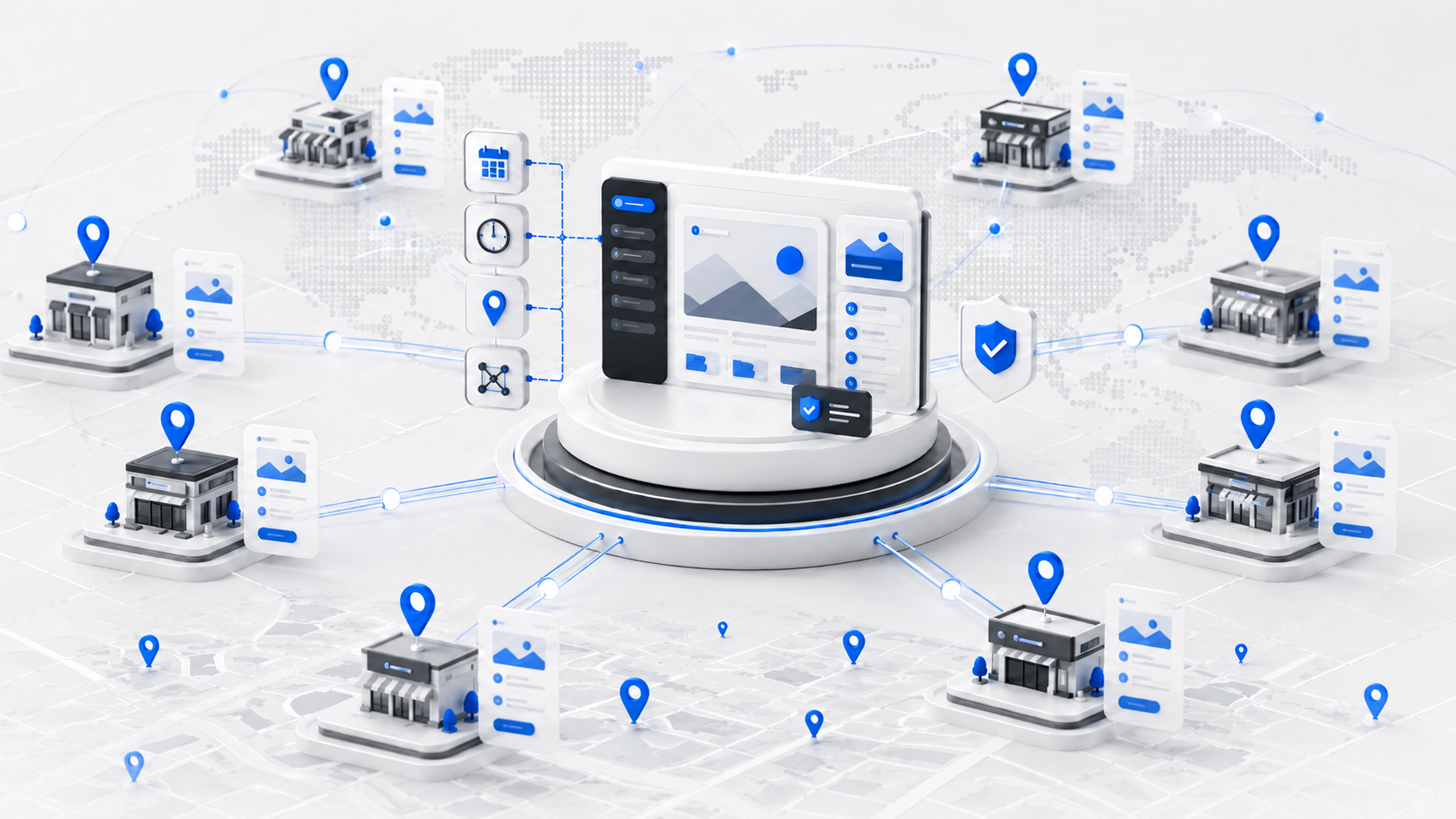
That is the problem space behind IMADO Location Engine — a WordPress architecture for multi-location and multi-brand sites. If your Sitecore exit includes several brands or venues, plan information architecture with that end state in mind, not as a afterthought.
Migration realities (either direction)
Whether you choose XM Cloud or WordPress, expect:
- Content and template inventory before build estimates mean anything
- URL and redirect planning if domains or IA change
- Feature rebuilds for personalization, search and integrations
- Dual-run or staged cutover for large estates
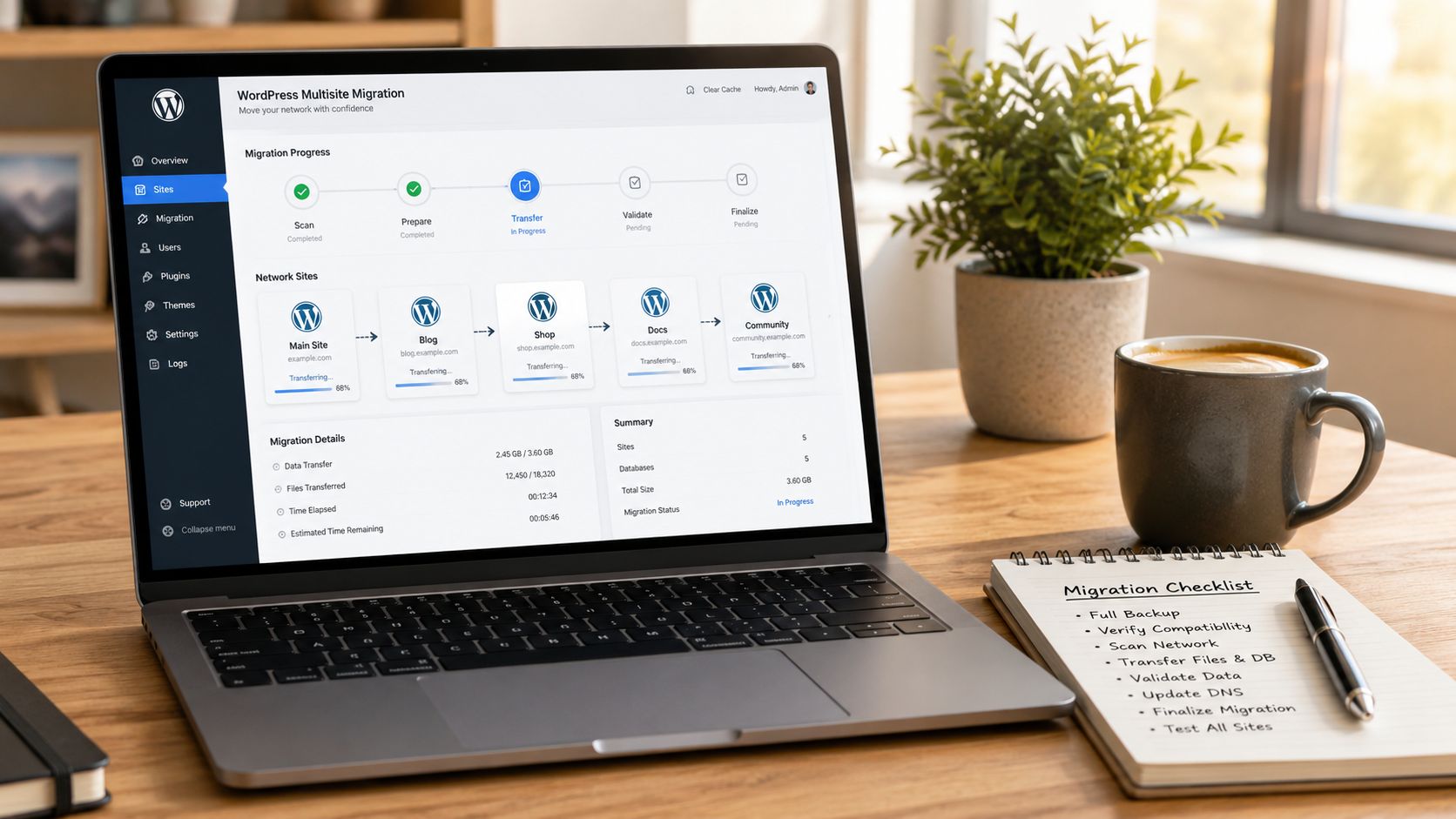
IMADO delivers the WordPress path: content mapping, custom theme/blocks, redirect QA and launch hardening. Details: Sitecore to WordPress migration service.
Verdict
Sitecore vs WordPress in 2026 is a replatform choice:
- Stay on XP / Managed Cloud if the stack still fits and you are not ready for a rebuild.
- XM Cloud / SitecoreAI if you want to remain on Sitecore’s SaaS CMS roadmap and accept a headless rebuild.
- WordPress if cost, editorial speed and agency capacity dominate — and you are willing to rebuild personalization and integrations deliberately.
If you are weighing those options now, talk to us or start from the migration service page.